

Is a Butcher Block Island Right for Your Kitchen?
A butcher block island adds a natural wood surface to your kitchen, but choosing one involves more than appearance. Here are answers to common questions about daily use, care and custom options.

Is Butcher Block Durable Enough for Daily Use?
A well-made butcher block top can serve as an everyday kitchen surface when its construction and finish suit the intended use. Wood can develop scratches, dents and wear, so it helps to decide whether you want a working surface that develops character or a finished countertop you’ll protect from direct cutting.
How Do I Maintain It?
Follow the care instructions for your specific finish. An oil-treated surface and a film-finished countertop may require different cleaning and maintenance routines. Wipe up spills promptly, avoid standing water, and check with the manufacturer before applying oils, cleaners or refinishing products.
See our block care information for guidance.
Is It Suitable for Food Preparation?
Discuss food-preparation use when selecting your finish. Keep the surface clean and follow the manufacturer’s cleaning instructions. Use separate cutting boards for raw meat and other tasks that require thorough cleaning between uses.
For more information, read Are Butcher Block Countertops Sanitary?.
What Wood Species Should I Choose?
Start with the color and grain you prefer, then discuss how the available species suit your intended use and budget. Natural wood varies, so samples and project photos can help you understand the appearance better than a species name alone.
Explore our wood types before making your selection.
Can I Cut Directly on It?
That depends on the surface’s construction and finish. Tell the manufacturer if direct chopping is part of your plan so the top can be specified for that purpose. Cutting directly on a decorative finished countertop can damage its finish. A separate cutting board helps protect the island’s appearance.
How Does Butcher Block Compare With Other Countertop Materials?
Butcher block offers natural color, visible grain and custom design possibilities. Its main tradeoff is that wood needs protection from prolonged moisture, heat and everyday damage.
Compare the care requirements of the specific wood finish with those of the stone, engineered surface or metal product you’re considering. Your choice should reflect how you cook, clean and use the island.
What Size and Thickness Should I Choose?
Your cabinetry, desired appearance, seating overhang and support requirements should guide the dimensions. Thickness alone does not determine whether an overhang is adequately supported.
Our butcher block island planning guide explains what measurements and project details to gather before ordering.
Can My Island Include a Sink or Appliances?
An island design can include these features, but openings and installation details need to be coordinated before fabrication. Sinks require particular attention to protecting the surrounding wood from moisture. Cooktops and other appliances must follow their manufacturers’ clearance and installation requirements.
Have your cabinet professional or installer review the design with the countertop manufacturer.
How Much Does a Custom Island Top Cost?
Pricing depends on dimensions, wood species, grain construction, edge treatment, finish and special fabrication requirements. Delivery and installation can also affect your overall project budget.
Request a quote based on your actual specifications. When comparing prices, check whether each estimate covers the countertop alone or a complete island with cabinetry and installation.
Where Can I Purchase a Custom Island Top?
Blockhead Blocktops manufactures custom butcher block island tops to your specifications. You can discuss your dimensions, wood preferences and project requirements with our team.
Explore our custom butcher block island tops. Coordinate the cabinetry, base and installation separately with your project professionals.
Can It Be Refinished or Repaired?
Some scratches and wear can be addressed through refinishing, but the appropriate method depends on the finish and the extent of the damage. Deep stains, cracks or moisture damage may need professional assessment.
Contact the manufacturer before sanding or applying a new finish, especially around openings and finished edges.
Does It Fit My Kitchen Style?
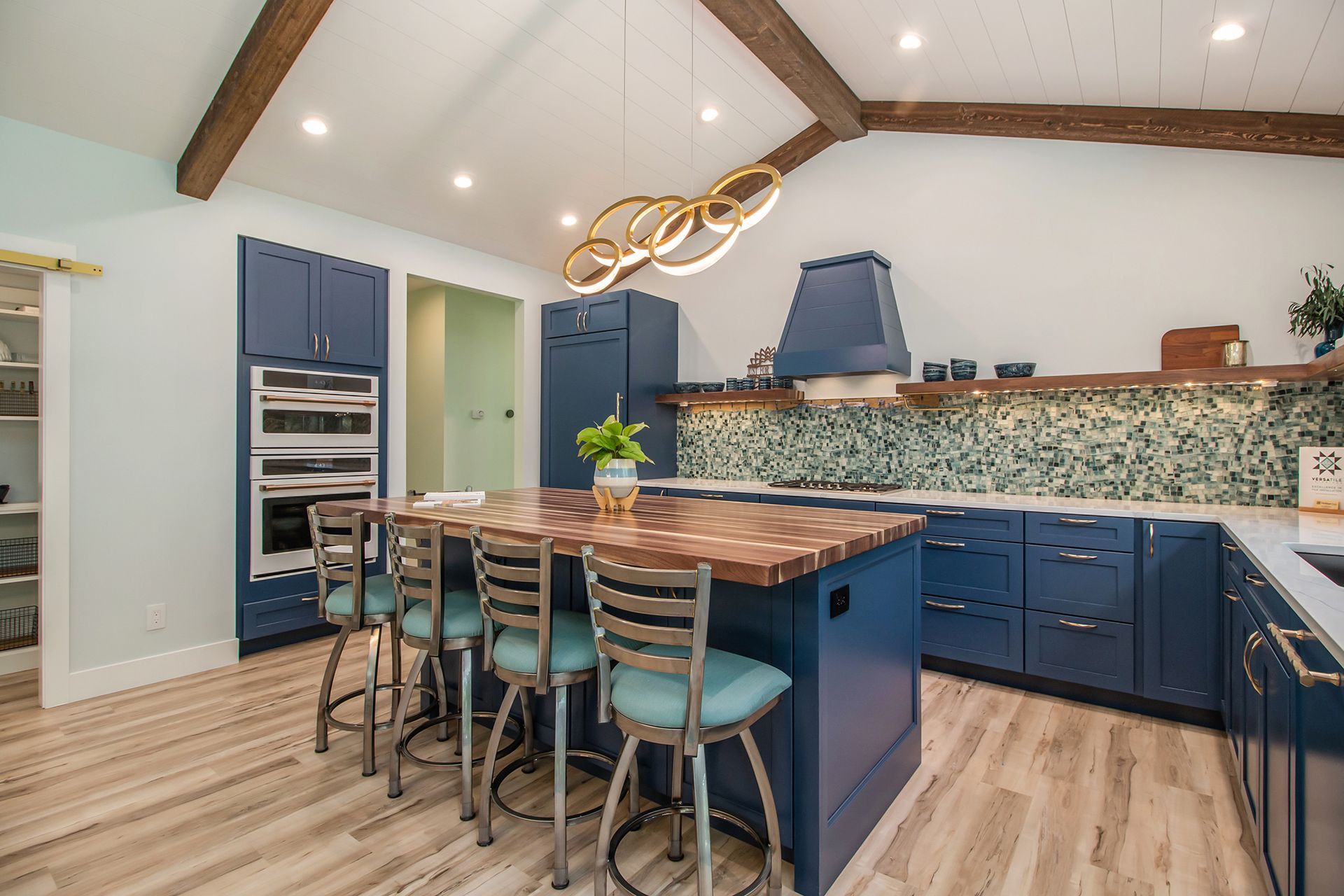
Wood can complement traditional, modern and rustic kitchens. Species, grain pattern, edge profile and the surrounding cabinetry all influence the result.
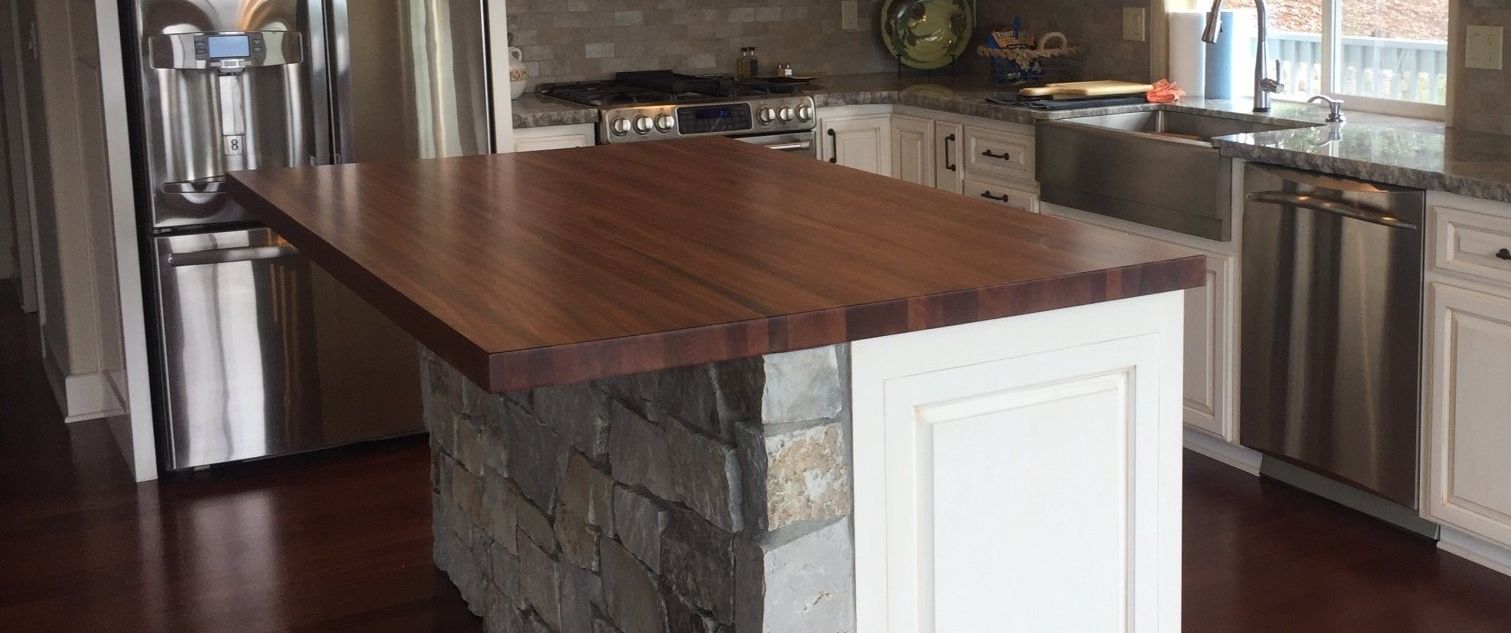
Browse our island portfolio for examples, and compare wood samples with your cabinet colors and flooring.
What Are the Environmental Considerations?
Ask about the wood’s origin, sourcing documentation and any available certifications. Sustainability claims should be supported by information about the specific material you’re purchasing.
Also consider longevity: choosing a surface you can maintain and, where appropriate, repair may help extend its useful life.

Ready to Explore Your Options?
Use our planning guide to gather your project details, or request a custom quote to discuss your island top with Blockhead Blocktops.